Frontend Developer Roadmap 2026: Complete Guide for Beginners
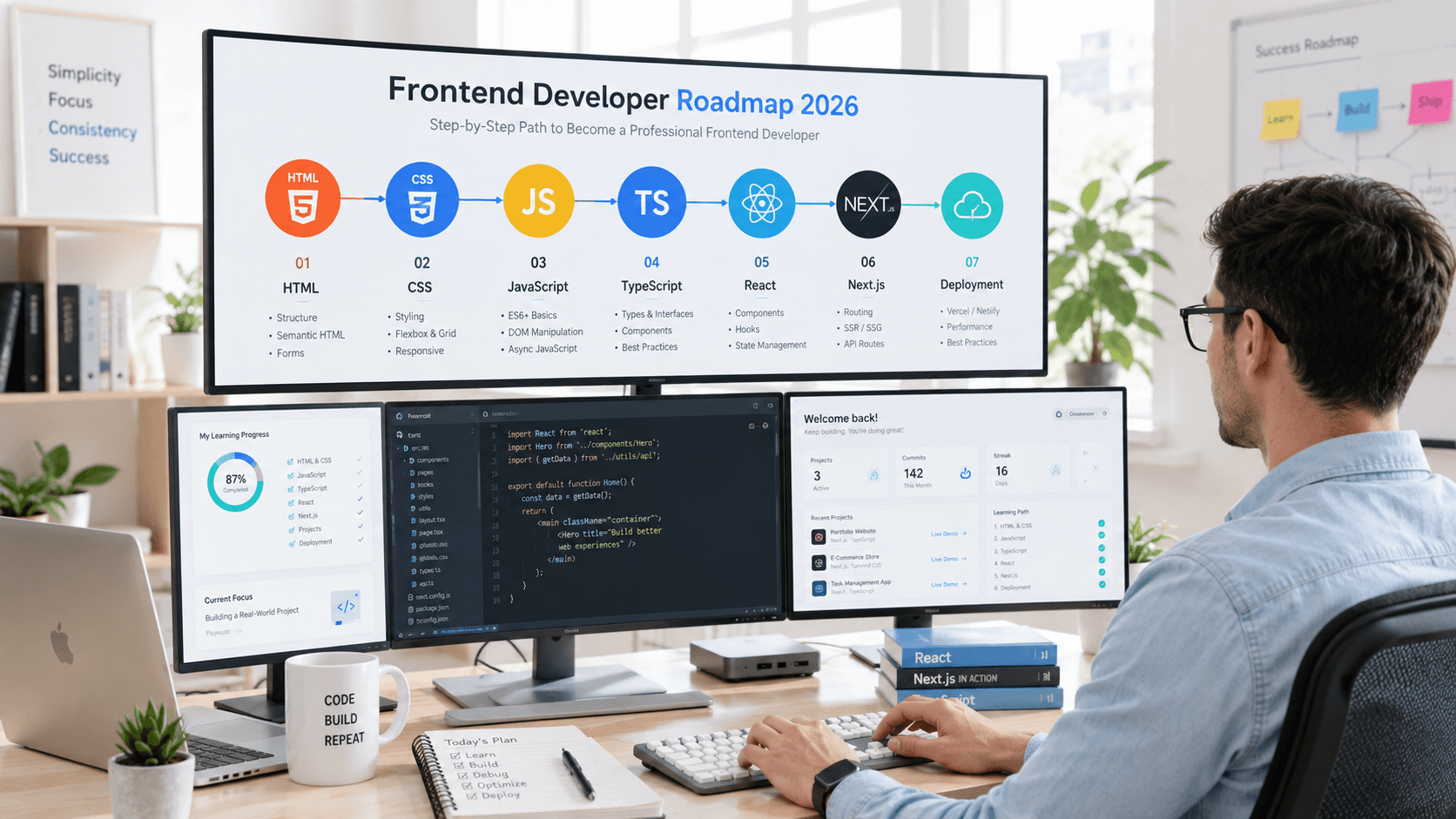
Want to become a frontend developer in 2026? This step-by-step roadmap covers the technologies, tools, projects, and skills employers are looking for today.
Frontend development remains one of the most accessible and rewarding career paths in software engineering.
Every website, web application, SaaS platform, and e-commerce store depends on frontend developers to create fast, responsive, and user-friendly experiences.
But with so many technologies available, beginners often ask:
What should I learn first?
This guide provides a complete frontend developer roadmap for 2026 and explains exactly what skills you need to become job-ready.
What Does a Frontend Developer Do?
Frontend developers build the parts of websites and applications that users see and interact with.
Their responsibilities include:
- Building user interfaces
- Creating responsive layouts
- Optimizing performance
- Integrating APIs
- Improving accessibility
- Ensuring cross-browser compatibility
Frontend developers bridge the gap between design and functionality.
Step 1: Learn HTML
HTML is the foundation of every webpage.
It provides structure for:
- Headings
- Paragraphs
- Images
- Forms
- Navigation menus
Important topics:
- Semantic HTML
- Accessibility
- Forms and validation
- SEO-friendly markup
Without HTML, modern frontend development is impossible.
Step 2: Master CSS
CSS controls the appearance of websites.
Key skills include:
Layout Systems
Learn:
- Flexbox
- CSS Grid
Responsive Design
Understand:
- Media queries
- Mobile-first development
Modern CSS
Explore:
- CSS Variables
- Animations
- Transitions
CSS remains one of the most important frontend skills.
Step 3: Learn JavaScript
JavaScript powers interactivity on the web.
Important concepts:
- Variables
- Functions
- Arrays
- Objects
- Async programming
- DOM manipulation
JavaScript is still one of the most valuable programming languages in the industry.
For a broader comparison of languages, read:
Best Programming Languages to Learn in 2026
Step 4: Learn Git and GitHub
Version control is essential.
Every professional frontend developer uses Git.
Learn:
- Repositories
- Commits
- Branches
- Pull Requests
Read:
Step 5: Learn TypeScript
TypeScript has become the industry standard for modern frontend applications.
Benefits include:
- Better maintainability
- Type safety
- Improved tooling
Read:
JavaScript vs TypeScript: Which Should Developers Learn?
Step 6: Learn React
React remains the most popular frontend library.
Core concepts include:
- Components
- Props
- State
- Hooks
- Context API
React powers thousands of modern web applications.
Why React?
- Massive ecosystem
- Strong job demand
- Reusable components
- Excellent community support
Step 7: Learn Next.js
Once you're comfortable with React, move to Next.js.
Next.js adds:
- Routing
- Server-side rendering
- SEO improvements
- API routes
- Performance optimizations
Read:
React vs Next.js: Which Should Developers Learn?
Step 8: Learn APIs
Most modern applications communicate with external services.
Learn:
- REST APIs
- HTTP methods
- JSON
- Authentication
Examples include:
- Weather APIs
- Payment APIs
- AI APIs
- Social media APIs
API integration is a core frontend skill.
Step 9: Learn State Management
As applications grow, managing data becomes more complex.
Popular tools include:
- Context API
- Zustand
- Redux Toolkit
State management improves application scalability.
Step 10: Learn Performance Optimization
Frontend performance directly impacts user experience and SEO.
Important topics:
- Lazy loading
- Code splitting
- Image optimization
- Caching
- Core Web Vitals
Companies value developers who can build fast applications.
Step 11: Build Real Projects
Projects are more important than certificates.
Examples:
Beginner Projects
- Calculator
- Todo App
- Weather App
Intermediate Projects
- Blog Platform
- Dashboard
- E-commerce Store
Advanced Projects
- SaaS Application
- Real-Time Chat App
- Project Management Tool
Projects demonstrate real-world skills.
Step 12: Create a Portfolio
A portfolio is often your most valuable asset.
Include:
- Projects
- GitHub links
- Skills
- Resume
- Contact information
A strong portfolio increases interview opportunities significantly.
Frontend Developer Learning Path
A simplified roadmap:
HTML
↓
CSS
↓
JavaScript
↓
Git & GitHub
↓
TypeScript
↓
React
↓
Next.js
↓
APIs
↓
State Management
↓
Performance Optimization
↓
Projects
↓
Portfolio
↓
Job Applications
Following a structured path prevents overwhelm.
Common Mistakes Beginners Make
Tutorial Addiction
Watching endless tutorials without building projects.
Skipping Fundamentals
Jumping directly into frameworks.
Learning Too Many Tools
Master core technologies first.
Avoiding Real Projects
Projects accelerate learning dramatically.
Frequently Asked Questions
Do I Need a Computer Science Degree?
No.
Many successful frontend developers are self-taught.
Is Frontend Development Still Worth Learning?
Absolutely.
Businesses will always need developers who can build excellent user experiences.
Should I Learn React or Next.js First?
Start with React.
Then move to Next.js.
How Long Does It Take to Become Job-Ready?
Most learners can become employable within 6–12 months of consistent practice.
Further Reading
- How to Become a Software Developer in 2026
- Best Programming Languages to Learn in 2026
- JavaScript vs TypeScript: Which Should Developers Learn?
- Git and GitHub for Beginners
- React vs Next.js: Which Should Developers Learn?
Final Verdict
Frontend development continues to offer excellent career opportunities in 2026.
The key to success is focusing on fundamentals, building real projects, and learning technologies in the right order.
Start with HTML, CSS, and JavaScript.
Then move to React, Next.js, TypeScript, and modern frontend workflows.
Developers who consistently build projects and improve their skills will remain in high demand for years to come.
Related Articles
More from the Programming category
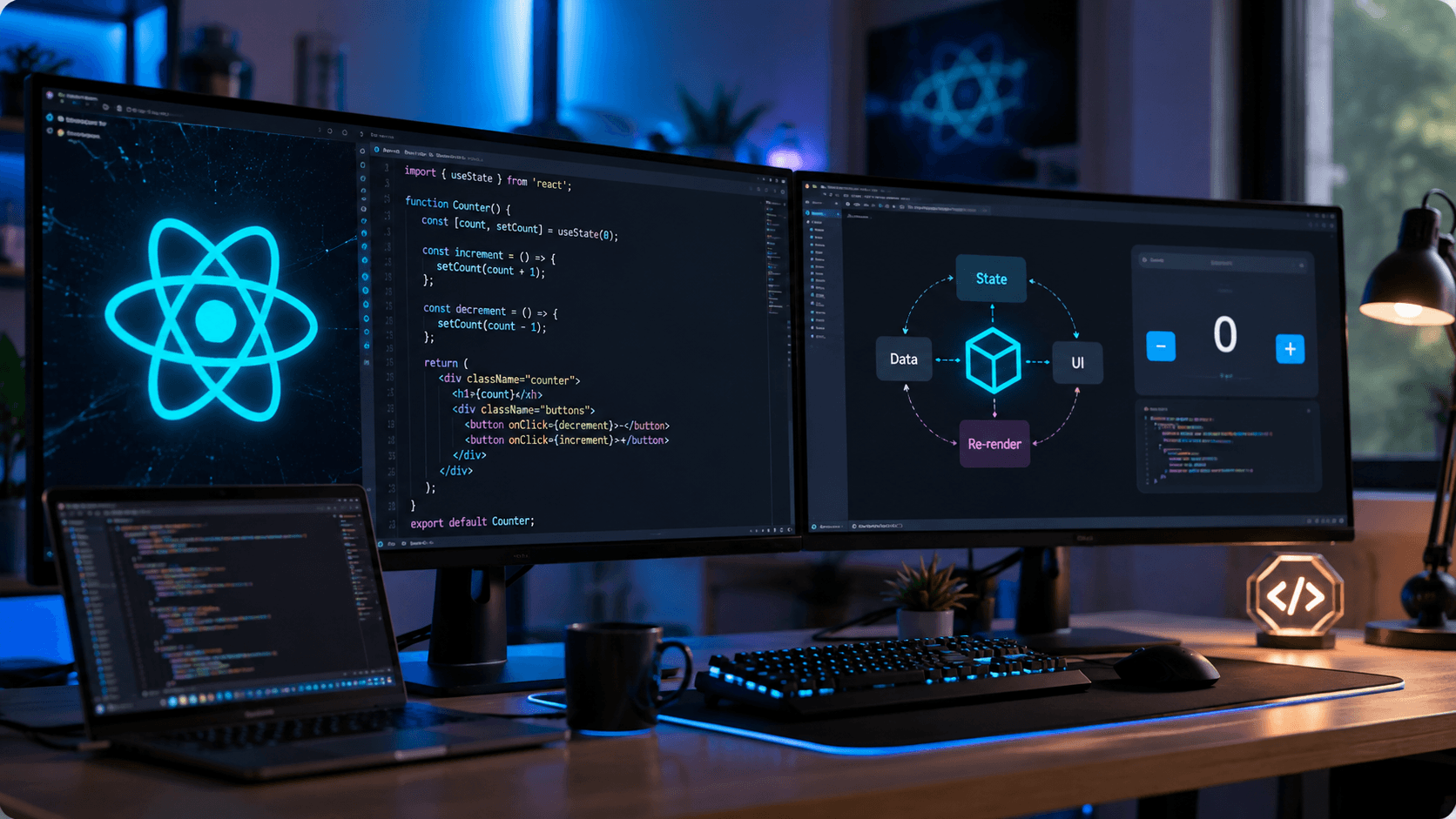
React useState Hook Complete Guide (2026): Syntax, Examples & Best Practices
Learn everything about React's useState Hook, including syntax, real-world examples, updating state correctly, best practices, and common mistakes.
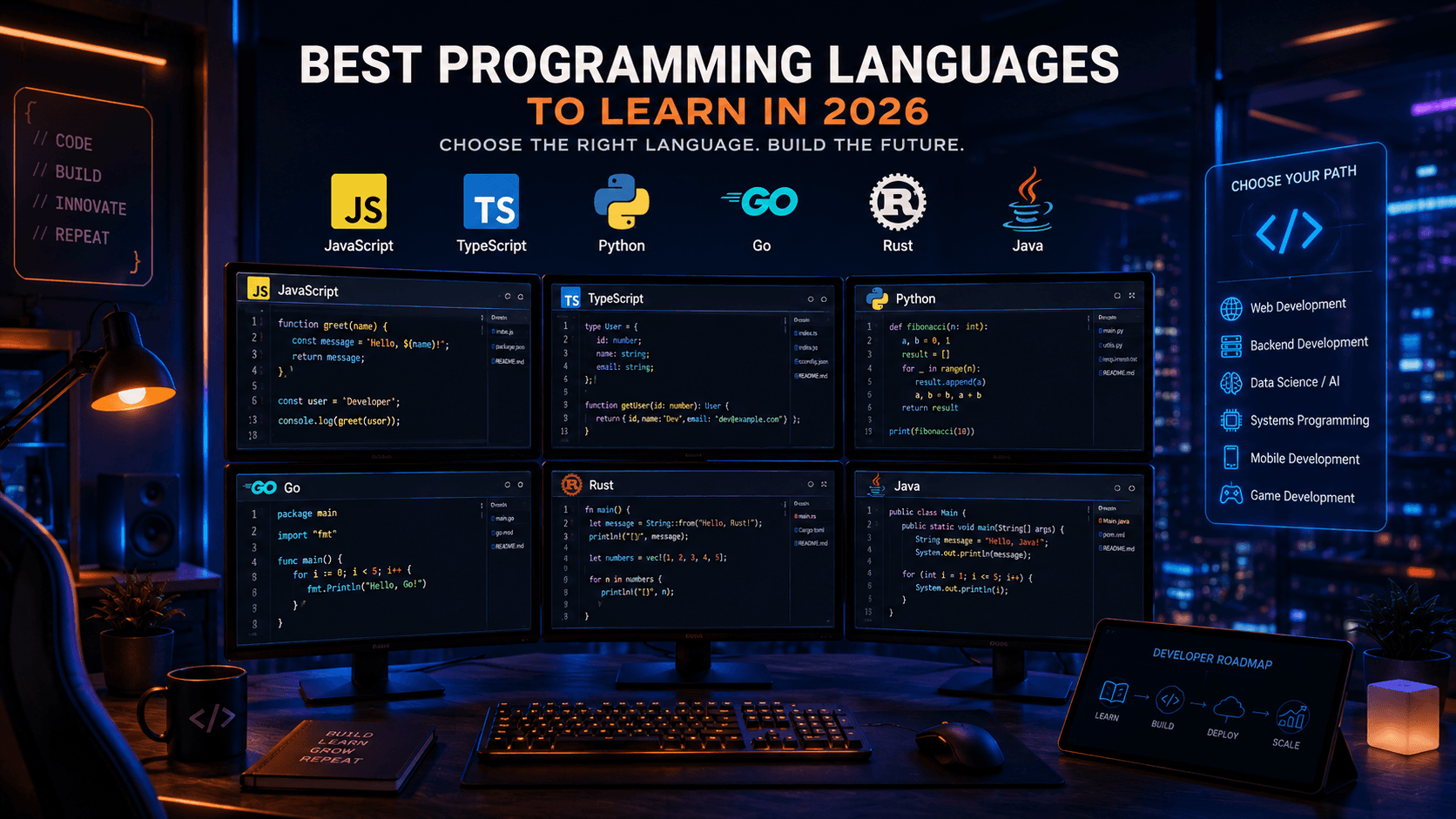
Best Programming Languages to Learn in 2026: Complete Developer Guide
Not sure which programming language to learn in 2026? This guide compares the most in-demand programming languages and helps developers choose the right path.

Data Structures and Algorithms for Beginners: Complete Guide in 2026
Master the fundamentals of Data Structures and Algorithms with this beginner-friendly guide. Learn the concepts every software developer should know.